
Choosing clothes can be frustrating when a color looks beautiful on someone else but does not feel right on you. A color analysis online quiz can give you a simple starting point for understanding which colors may work best with your natural coloring.
Instead of guessing between warm and cool shades, you can look at clues such as your skin undertone, natural hair color, eye color, and overall contrast. Your result can then help you build a more useful personal color palette.
What Is a Color Analysis Online Quiz? 🎨
A color analysis online quiz is a simple questionnaire designed to help you identify your likely color season and the shades that may complement your natural features. Most quizzes use details such as skin undertone, hair, eyes, jewelry preferences, and overall coloring.
The goal is not to change your appearance. It is to understand your natural coloring so you can make easier choices when shopping, dressing, applying makeup, or creating a wardrobe.
What Does the Quiz Usually Identify?
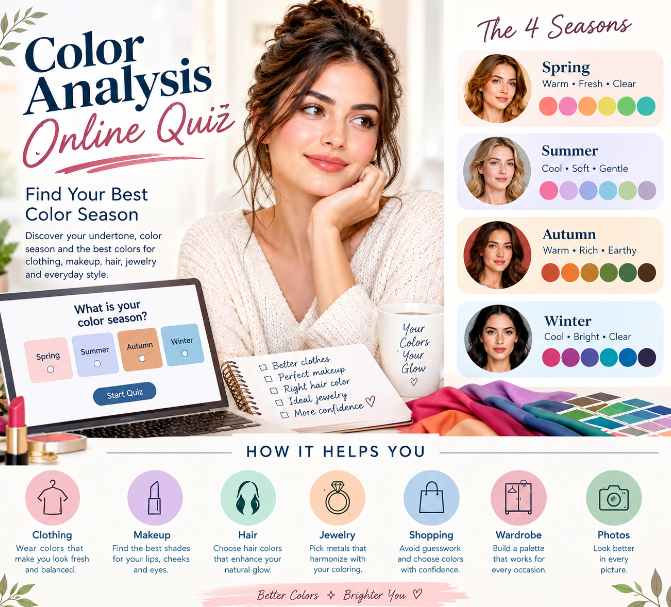
Depending on the quiz, your result may point toward one of four main seasonal groups:
- Spring – generally warm, fresh, and clear colors
- Summer – generally cool, soft, and muted colors
- Autumn – generally warm, rich, and earthy colors
- Winter – generally cool, clear, and high-contrast colors
Some systems go further and divide these four groups into smaller seasonal subtypes.
How Does an Online Color Analysis Quiz Work?
Most online quizzes ask several questions about your natural features. The exact questions vary, but the purpose is usually the same: identify patterns in your coloring and compare them with seasonal color characteristics.
1. Check Your Skin Undertone
Look at your skin in natural daylight rather than relying only on your surface skin tone. You may also consider whether gold or silver jewelry tends to look more harmonious against your skin.
Common undertone categories include warm, cool, and neutral.
2. Consider Your Natural Hair Color
Think about your natural hair color before dye, highlights, or other treatments. Hair can provide useful clues about whether your overall coloring appears warm, cool, soft, or deep.
3. Look at Your Eyes
Eye color is useful, but color analysis can also consider how clear, bright, soft, or blended your eyes appear.
4. Consider Your Overall Contrast
Contrast means the visual difference between your skin, hair, and eyes. Someone with very dark hair and light skin may have stronger contrast than someone whose features are closer in depth.
These details help an online quiz estimate your most suitable color season.
What Can Your Color Season Tell You? 👗
Your color season can become a practical guide rather than just an interesting quiz result. Once you understand your likely palette, you can use it when choosing clothes, accessories, makeup, and even hair colors.
Clothing Colors
Your palette can help you narrow down colors that complement your natural coloring. Instead of buying every shade you like, you can focus more on colors that make your overall appearance look balanced.
Makeup Shades
Color analysis can also guide choices such as lipstick, blush, and eyeshadow. The goal is to understand whether warmer, cooler, softer, or brighter shades tend to work better with your coloring.
Jewelry
Gold, silver, rose gold, and other metals can look different against different undertones. Your quiz result can give you a useful starting point when choosing jewelry.
Hair Color
If you are thinking about changing your hair color, your seasonal palette can help you consider whether warmer, cooler, lighter, or deeper tones are likely to harmonize with your natural coloring.
The Four Main Color Seasons
Understanding the four seasons makes your quiz result much easier to use. Each season represents a different combination of color characteristics, so the result is more useful when you know what your season generally means.
Spring 🌷
Spring palettes are usually associated with warm, fresh, and lively colors. Soft coral, peach, warm turquoise, light green, and similar shades may fit this color direction.
Summer 🌸
Summer palettes generally lean cool and soft. Dusty rose, lavender, powder blue, cool pink, and muted shades are common examples.
Autumn 🍂
Autumn is commonly associated with warm, rich, and earthy colors. Think of shades such as rust, olive, camel, warm brown, terracotta, and deep warm green.
Winter ❄️
Winter palettes generally emphasize cool, clear, and stronger colors. Deep blue, emerald, berry shades, crisp white, and other vivid cool colors are common examples.
Remember that these are broad seasonal guidelines. Your exact best colors depend on your individual coloring and the color-analysis system being used.
How to Get Better Results From a Color Analysis Online Quiz
The quality of your answers can affect the usefulness of your result. You do not need professional equipment, but a few simple steps can make the process more consistent.
Use Natural Daylight
Natural daylight makes it easier to observe your skin, hair, and eyes. Strong indoor lighting can change how colors appear.
Avoid Heavy Makeup
If the quiz asks about your natural coloring, answer based on your natural features rather than foundation, bronzer, or strong makeup.
Think About Your Natural Hair
If your hair is dyed, consider what your natural hair looked like before coloring. This can provide a better reference for seasonal analysis.
Do Not Guess From Your Favorite Colors
Your favorite color is not necessarily your most flattering color. Try to answer the quiz based on your natural features rather than the colors you personally prefer.
How Can a Color Analysis Online Quiz Help in Daily Life? 🛍️
The real value of color analysis comes after you receive your result. You can use your palette as a practical filter when making everyday style decisions.
Build a Simpler Wardrobe
Choose several colors from your palette that work well together. This can make it easier to create outfits without buying too many different shades.
Shop With More Confidence
When you see a beautiful shirt or dress, compare its color with your palette before buying it. This can reduce guesswork and help you avoid clothes that rarely get worn.
Choose Better Accessories
Your palette can also guide decisions about handbags, scarves, glasses, jewelry, and other accessories.
Use It for Work and Daily Outfits
For professional clothing, interviews, meetings, or everyday outfits, knowing your flattering colors can make outfit planning faster and more consistent.
What If Your Quiz Result Does Not Feel Right?
An online quiz gives you an estimate, not an absolute rule. Results can vary because different quizzes use different questions and seasonal systems.
Your result may also feel confusing if you have a neutral undertone or coloring that sits between two seasons. Lighting, dyed hair, tanning, and inaccurate answers can also affect the outcome.
If the result seems unusual, try taking the quiz again in natural daylight. Then compare the suggested colors against your actual appearance. A color that makes your skin look more balanced and your eyes look clearer may be more useful than simply following a label.
For a highly detailed personal assessment, professional color analysis with physical fabric draping can provide information that a questionnaire cannot fully reproduce.
Is a Color Analysis Online Quiz Worth Trying?
Yes, especially if you are new to personal color analysis and want an easy place to start. An online quiz can help you understand terms such as warm undertone, cool undertone, color season, contrast, and seasonal palette without needing to book a professional consultation.
The best approach is to treat the result as a helpful styling guide rather than a strict rule. Your personal taste still matters, and you should feel comfortable wearing colors you love.
Is a color analysis online quiz free?
Many online color quizzes are free, although features and result details vary between websites.
How accurate is an online color analysis quiz?
It can provide a useful starting point, but it is not as detailed as an in-person assessment using physical color drapes and controlled lighting.
Can I find my color season without a photo?
Yes. Some quizzes use questions about your undertone, hair, eyes, jewelry, and contrast instead of requiring a photo.
Can my color season change?
Your underlying coloring usually remains fairly consistent, but factors such as aging, graying hair, tanning, or changes in hair color can affect how your overall appearance is interpreted.
What should I do after finding my color season?
Start with your clothing and everyday wardrobe. Then use your palette to explore makeup, hair color, jewelry, accessories, and shopping choices.
Conclusion
A color analysis online quiz can make personal color discovery simple and practical. By understanding your undertone, natural features, contrast, and seasonal palette, you can make more confident choices about clothes, makeup, hair, jewelry, and everyday style.
Use your result as a helpful guide—not a strict rule—and choose colors that make you feel comfortable, confident, and naturally yourself.